
Trump said tariffs would save car factories. Here’s what happened next
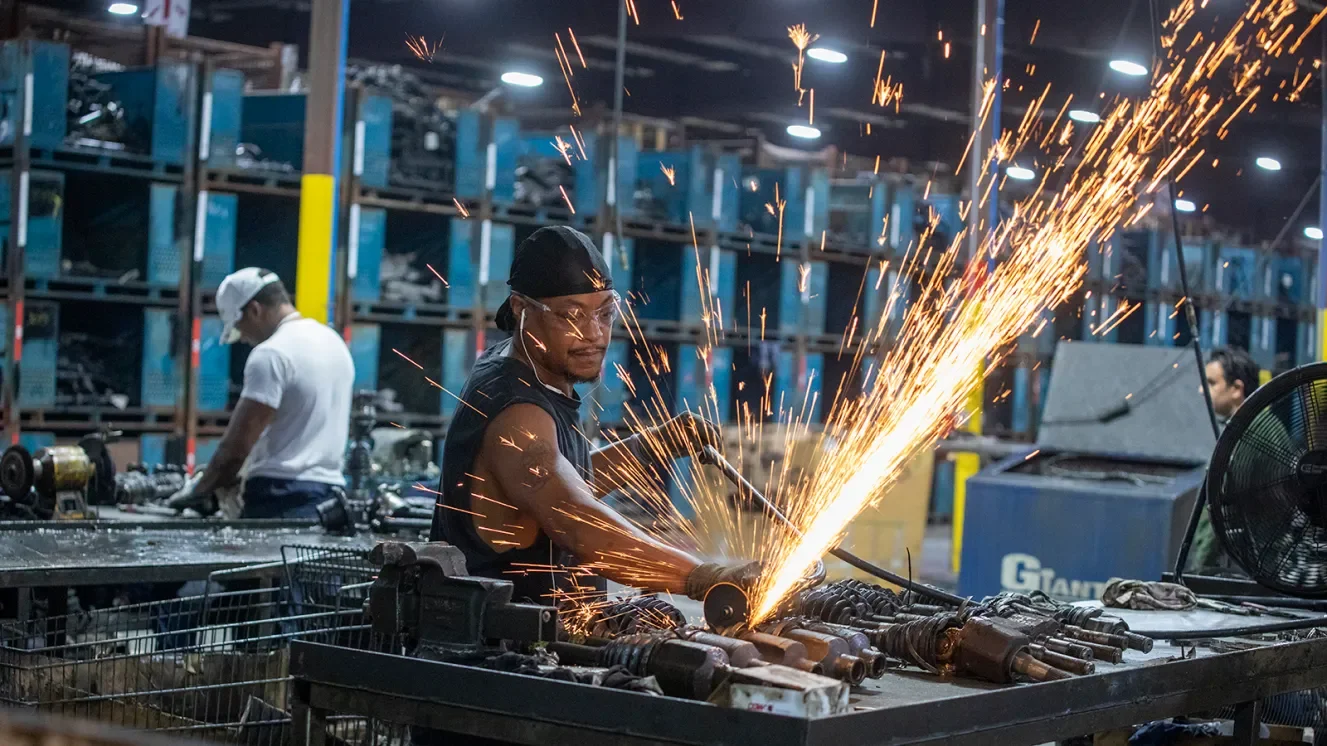
Economists note that carmakers and companies like Detroit Axle have often proved a bellwether for recession in America
WILLIAM PUGLIANO FOR THE SUNDAY TIMES
Detroit Axle was recently featured in The Sunday Times as part of an in-depth look at how changing U.S. tariff policies are affecting manufacturers across the automotive industry.
The article highlights the challenges many suppliers are facing as businesses work to adapt to evolving trade policies and rising import costs. While larger automakers have more flexibility to adjust their supply chains, many small and mid-sized manufacturers continue to navigate significant uncertainty.
For Detroit Axle, the impact has been substantial. The company has experienced dramatic increases in weekly tariff payments on imported automotive components, creating new financial pressures while limiting opportunities to invest in future growth. CEO Mike Musheinesh explained that funds once earmarked for business expansion have instead been redirected toward higher tariff costs.
The feature also explores Detroit Axle's legal challenge surrounding federal tariff authority, a case that has become part of the broader national conversation about trade policy and its impact on American businesses. As the legal process continues, the company remains committed to advocating for greater certainty and stability for manufacturers across the country.
Founded in 1990, Detroit Axle has grown into one of the nation's leading suppliers of automotive replacement parts, serving customers throughout the United States. While the company continues to invest in quality products and customer service, ongoing tariff uncertainty has made long-term planning more difficult for manufacturers that rely on global supply chains.
Industry experts interviewed by The Sunday Times noted that uncertainty surrounding tariffs has caused many businesses to delay hiring, postpone expansion projects, and reevaluate future investments. The article points to Michigan's manufacturing sector as a key indicator of the broader economic effects these policies may have across the country.
Despite these challenges, Detroit Axle continues to focus on providing affordable, high-quality automotive parts while advocating for trade policies that support American businesses, workers, and consumers.
The Sunday Times article underscores Detroit Axle's role in the national discussion surrounding tariffs and manufacturing, highlighting the company's firsthand experience navigating today's rapidly changing trade environment.