
What Businesses Need to Know About Recovering Unlawful Tariff Payments
The U.S. Supreme Court's decision striking down tariffs imposed under the International Emergency Economic Powers Act (IEEPA) marked a significant turning point for thousands of American importers. While the ruling confirmed that the tariffs were unlawfully imposed, many businesses are now asking a new question: How and when will those tariff payments be refunded?
Although the legal decision has provided clarity on the validity of the tariffs, the refund process remains a work in progress. Businesses that paid millions—or in some cases billions—of dollars in import duties are now navigating a complex process involving U.S. Customs and Border Protection (CBP), liquidation timelines, and potential legal action.
The Refund Process Is Still Evolving
Following the Supreme Court's decision, CBP began developing a system to return unlawfully collected IEEPA tariff payments to eligible importers. The agency has indicated that it is building new processes within its Automated Commercial Environment (ACE) to administer refunds, though implementation continues to evolve.
While the goal is to provide refunds directly to importers of record, questions remain regarding processing timelines, documentation requirements, and how interest on those payments will be calculated. For businesses that paid substantial tariff costs, understanding these procedures will be critical over the coming months.
Understanding Liquidation
One of the most important concepts for importers is liquidation.
When merchandise enters the United States, duties and tariffs are initially collected based on estimated values. Liquidation is the formal process in which CBP finalizes the amount owed after reviewing the entry.
Once an entry is liquidated, importers generally have 180 days to challenge the calculation if they believe duties were improperly assessed. Missing that deadline can significantly limit options for recovering overpayments.
Recent court orders directing CBP to liquidate or reliquidate entries affected by the unlawful IEEPA tariffs have provided additional protections for many importers. Even so, companies should continue monitoring liquidation dates carefully and maintain complete import records throughout the refund process.
Should Businesses Consider Litigation?
For some companies, filing a lawsuit has become part of their strategy for protecting potential refund claims.
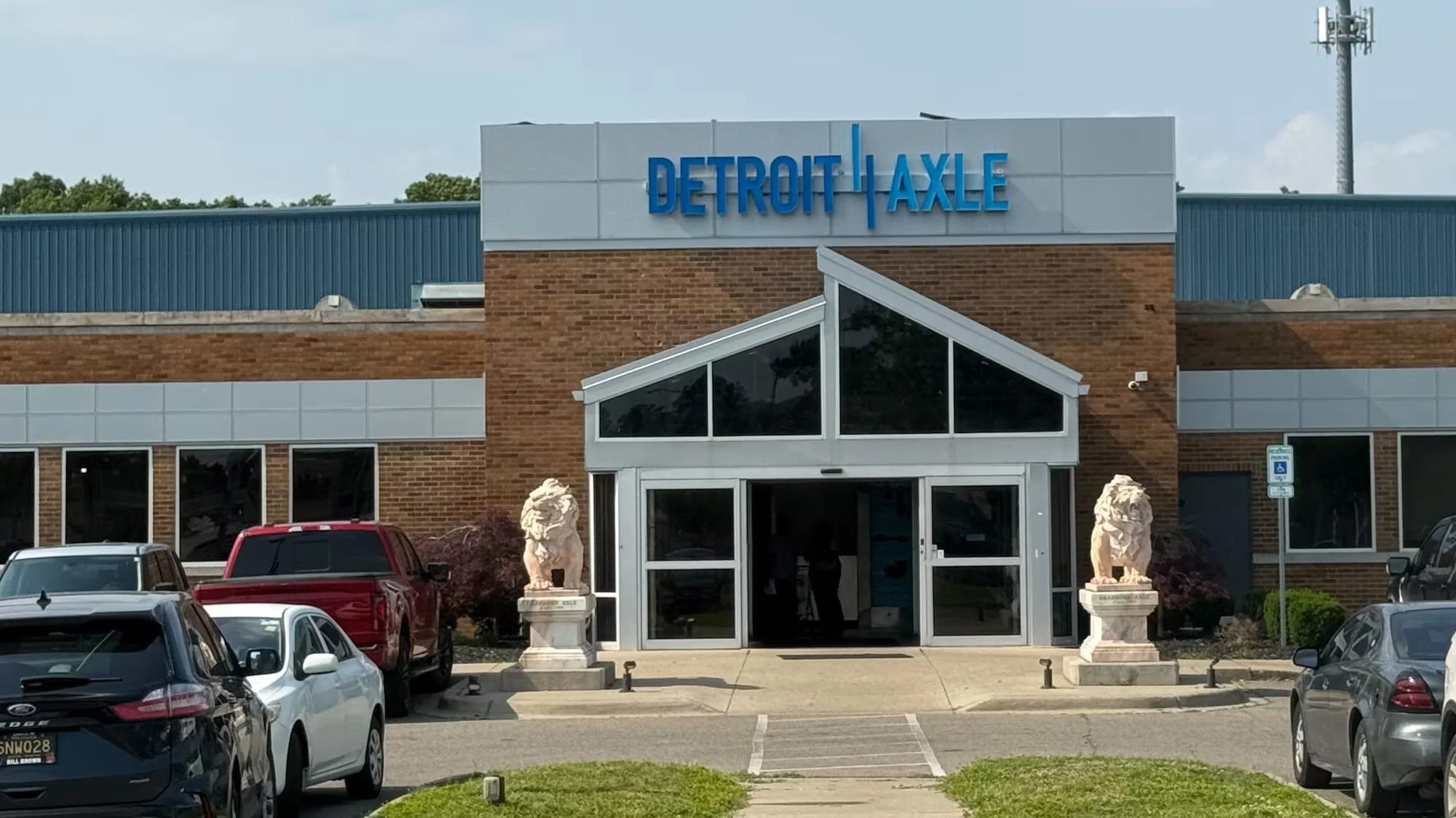
Businesses including Detroit Axle challenged the legality of the IEEPA tariffs long before the Supreme Court ultimately ruled against them. Those lawsuits helped bring national attention to the financial burden many importers faced as tariff costs rapidly increased.
Whether additional litigation is necessary today depends on each company's circumstances. Some businesses view legal action as an extra layer of protection, while others may be able to recover funds through CBP's administrative refund process.
Because every importer's situation is unique, companies should work closely with legal and customs professionals to determine the most appropriate course of action.
Practical Steps Businesses Should Take Now
While government agencies continue implementing refund procedures, importers can take several proactive steps:
Review historical import entries that included IEEPA tariffs.
Track liquidation and protest deadlines for every affected shipment.
Ensure ACE Portal accounts and Automated Clearing House (ACH) information are current so refunds can be processed electronically.
Maintain complete documentation for all tariff payments and import transactions.
Consult customs attorneys or trade advisors regarding protest filings and other available remedies.
Preparation today can help prevent delays once refunds become available.
What About Companies That Aren't Importers?
Not every business affected by tariffs actually paid them directly.
Many manufacturers, distributors, retailers, and suppliers absorbed higher costs after tariffs increased prices throughout the supply chain. Unfortunately, businesses that were not the importer of record generally do not have the same legal rights to seek refunds directly from the federal government.
Instead, their ability to recover costs often depends on private contracts with suppliers or negotiated purchasing agreements.
Detroit Axle's Perspective
As a company that imports automotive replacement parts, Detroit Axle understands firsthand how rapidly changing trade policies can affect business operations, investment decisions, and long-term planning.
Tariffs influence far more than the price of imported products—they impact inventory management, capital investments, hiring decisions, and supply chain strategy. While fair trade enforcement remains an important objective, businesses also need clear, consistent rules that allow them to invest with confidence.
The Supreme Court's ruling represents an important step toward resolving one chapter of this issue, but the work is not finished. As refund procedures continue to develop, businesses should remain informed, organized, and proactive to ensure they are positioned to recover any funds to which they may be entitled.
Detroit Axle will continue monitoring developments closely while advocating for transparent trade policies that support American businesses, strengthen manufacturing, and provide the certainty companies need to grow and invest for the future.